

Bitumen Membrane
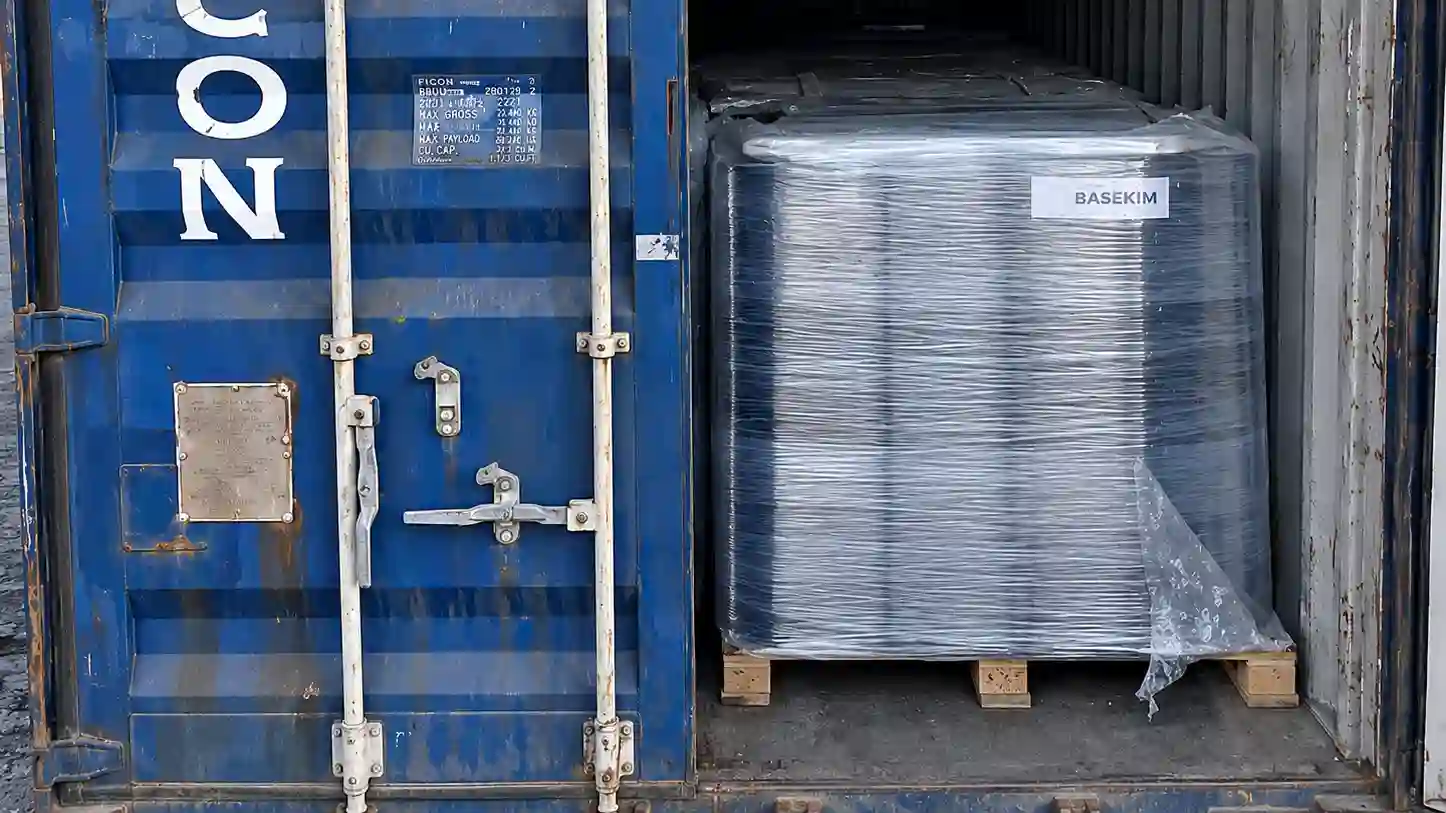
A bitumen membrane is a waterproofing sheet mainly used in the construction industry to protect buildings and structures against water and moisture.
The main waterproofing material is bitumen, which is usually modified with polymers to improve its flexibility, durability, heat resistance, and overall performance.
A bitumen membrane is commonly supplied in rolls and installed over concrete, roofs, foundations, and other surfaces that require waterproofing.
Where Is Bitumen Membrane Used?
A bitumen membrane can be used for many waterproofing applications, including:
Flat and pitched roofs
Foundations
Basements
Retaining walls
Bathrooms and wet areas
Balconies and terraces
Tunnels
Bridges
Underground structures
For example:
A bitumen membrane is applied to the roof to prevent water penetration and protect the building from moisture.
Main Components of Bitumen Membrane
A typical bitumen membrane consists of three main components:
1. Modified Bitumen
Bitumen is the main waterproofing material. It can be modified with polymers to improve its properties.
The two most common types are:
APP Modified Bitumen
APP stands for Atactic Polypropylene. APP improves the heat resistance and stability of the bitumen.
APP bitumen membrane is widely used in warm and hot climates because it performs well at high temperatures.
SBS Modified Bitumen
SBS stands for Styrene-Butadiene-Styrene. SBS improves the flexibility and elasticity of the bitumen.
SBS bitumen membrane is especially suitable for applications where good flexibility and low-temperature performance are required.
2. Reinforcement
The reinforcement is located inside the bitumen membrane and provides mechanical strength and dimensional stability.
Common reinforcement materials include:
Polyester (PES): Provides good tensile strength and flexibility.
Fiberglass: Provides excellent dimensional stability.
Composite reinforcement: Combines different reinforcement materials to achieve specific performance characteristics.
For example:
4 mm APP Bitumen Membrane with 180 g/m² Polyester Reinforcement
This means that the membrane has a nominal thickness of 4 mm and contains polyester reinforcement with a mass of 180 grams per square meter.
3. Surface Finish
A bitumen membrane can have different surface finishes depending on its application.
Common finishes include:
PE film: Commonly used on torch-applied membranes.
Mineral granules: Protect the membrane surface against UV radiation and weather exposure.
Aluminum foil: Provides a reflective and protective surface.
Sand: Used for certain installation systems and applications.
How Is Bitumen Membrane Installed?
One of the most common installation methods is the torch-applied system.
During installation, the lower surface of the bitumen membrane is heated using a gas torch. The bitumen becomes soft and slightly molten, allowing the membrane to bond firmly to the prepared substrate.
The substrate should normally be clean, dry, smooth, and properly primed before installation.
Other types of bitumen membrane can also be self-adhesive or mechanically fixed, depending on the product and application.
APP vs. SBS Bitumen Membrane
The main difference is the type of polymer used to modify the bitumen.
APP bitumen membrane:
Better heat resistance
Good resistance to high temperatures
Commonly used in hot climates
Good dimensional stability
SBS bitumen membrane:
Better flexibility
Higher elasticity
Better low-temperature performance
Suitable where movement or flexibility is important
Important Bitumen Membrane Vocabulary
Bitumen membrane — Waterproofing sheet made from bitumen
Waterproofing — Protection against water penetration
Modified bitumen — Bitumen improved with polymers
Reinforcement — Internal layer that provides strength
Polyester — Flexible and strong reinforcement material
Fiberglass — Dimensionally stable reinforcement material
Thickness — The thickness of the membrane, usually stated in mm
Torch-applied — Installed by heating with a gas torch
Self-adhesive — Membrane that bonds without torch application
Substrate — The surface on which the membrane is installed
Primer — Material applied before membrane installation
Mineral granules — Protective particles on the membrane surface
Water penetration — Movement of water into or through a structure
Tensile strength — Resistance of a material to being pulled apart
Flexibility — Ability to bend without cracking
Dimensional stability — Ability to maintain shape and dimensions
Key Sentences to Learn
Bitumen membrane is widely used for waterproofing roofs, foundations, basements, and underground structures.
APP bitumen membrane offers excellent heat resistance and is suitable for hot climates.
SBS bitumen membrane provides excellent flexibility and low-temperature performance.
Bitumen membrane can be reinforced with polyester, fiberglass, or composite reinforcement.
The thickness, reinforcement, surface finish, and type of modified bitumen are important factors when selecting a bitumen membrane.
Lesson Summary
A bitumen membrane is a waterproofing material mainly composed of modified bitumen, reinforcement, and a surface finish. The two major types are APP and SBS. APP is generally selected for its heat resistance, while SBS is selected for its flexibility and elasticity.
Understanding these basic components is the first step in learning how to identify, compare, specify, and sell different types of bitumen membrane.