

Chinese Standard Bitumen AH 90
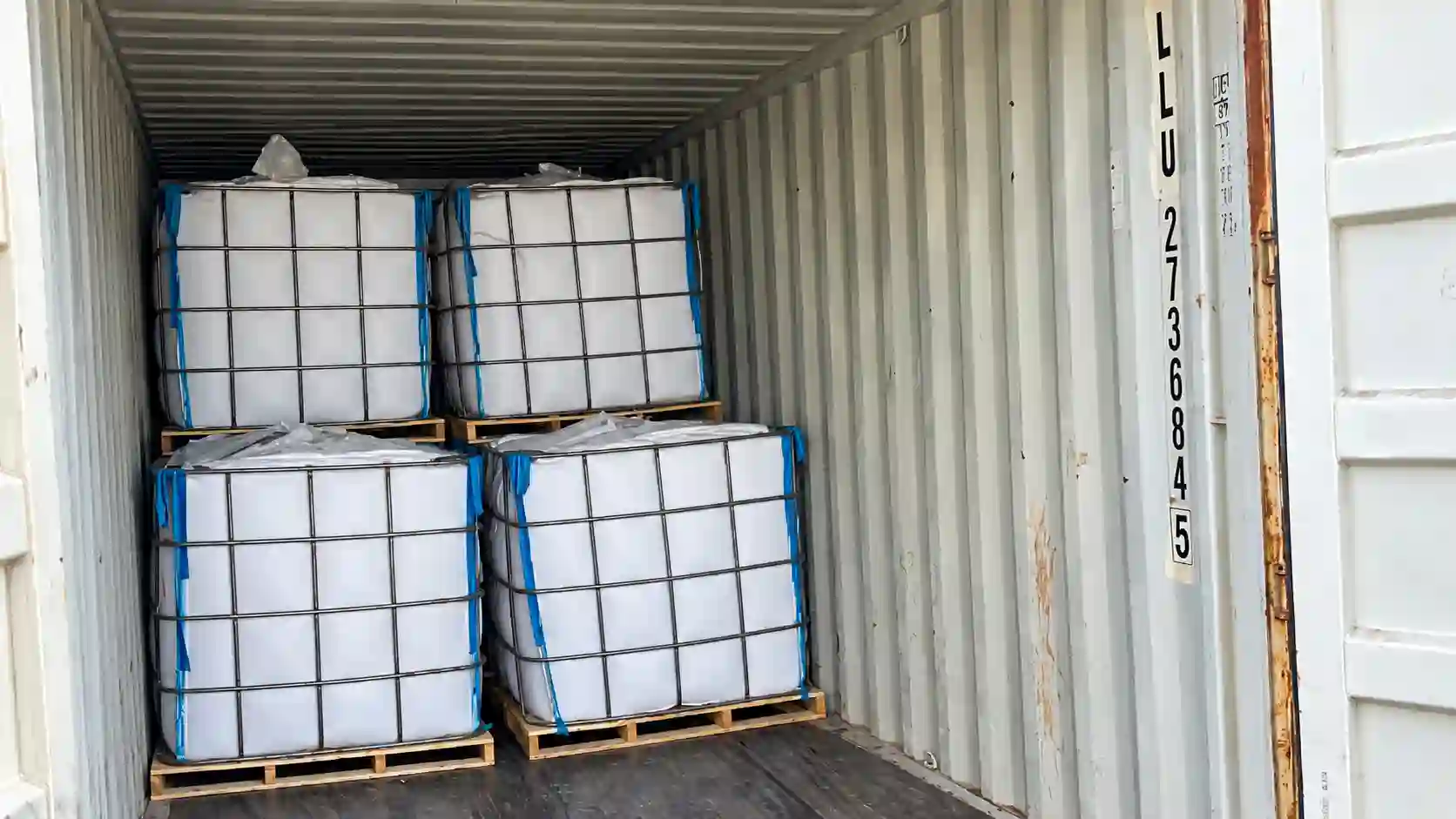
International road contractors and asphalt producers need more than a grade name when buying Chinese Standard Bitumen AH 90. They must confirm penetration, temperature response, flexibility, technical limits, packaging, and export supply before approving an order. This paving-grade binder offers relatively flexible consistency within the AH family and can suit many asphalt pavement projects when the design requires its performance range. However, engineers should always match the binder to climate, traffic, aggregate properties, mix design, and the governing project specification. Clear technical documents and shipping terms also help buyers reduce procurement risk.
Chinese Standard Bitumen AH 90 for Road and Asphalt Projects
This petroleum paving binder serves road construction and asphalt production. Its 80–100 penetration range gives it a softer consistency than Bitumen AH 70, so it generally provides greater flexibility while still delivering the cohesion needed to bind mineral aggregates.
In asphalt mixtures, the binder coats aggregate particles and helps create a continuous compacted layer. Good adhesion supports mixture integrity, while suitable ductility helps pavement accommodate movement and temperature-related strain. Therefore, engineers evaluate the full specification rather than the grade number alone.
Key Properties of AH 90 Bitumen
Penetration Characteristics
Penetration measures binder consistency under controlled conditions. For AH-90, the current Chinese national standard specifies 80–100 in units of 0.1 mm at 25°C. A higher number generally indicates a softer binder.
Therefore, buyers often review penetration first when checking grade identity. However, they should also examine softening point, ductility, and aging characteristics.
Softening Point
Softening point helps engineers compare binder response as temperature rises. Under GB/T 15180-2025, AH-90 has a 42–55°C softening-point range.
Although softening point provides useful temperature-response information, it does not represent an exact pavement failure temperature. Buyers should compare the shipment COA with the contractual requirement.
Ductility and Flexibility
Ductility indicates how far the binder can stretch before breaking under a defined test. AH-90 requires at least 100 cm ductility at 15°C before thin-film oven aging.
This property helps engineers assess flexibility and resistance to brittle behavior. Consequently, ductility becomes especially important when pavement structures experience repeated loading or temperature movement.
Adhesion and Aggregate Compatibility
The binder must coat and hold aggregate effectively. Strong interaction between binder and aggregate helps maintain asphalt mixture cohesion.
However, aggregate mineralogy, moisture, dust, anti-stripping additives, mixing conditions, and compaction also affect bonding. Therefore, asphalt plants should verify compatibility through the approved asphalt mix design rather than depending only on the binder grade.
Temperature Performance
AH 90 asphalt binder occupies a relatively flexible position within the Chinese penetration-grade family. Nevertheless, climate, axle loads, pavement layer, traffic conditions, and mixture type should guide final selection.
Very hot climates or heavily loaded pavement sections may require a harder penetration grade or modified binder. Therefore, engineers should always follow the approved pavement design.
Chinese Standard Bitumen AH 90 Specifications
The following Chinese Standard Bitumen AH 90 specification summarizes AH-90 requirements under GB/T 15180-2025, China’s current national standard for heavy-traffic petroleum asphalt.
| Property | AH-90 Requirement | Test Method |
|---|---|---|
| Penetration at 25°C, 100 g, 5 s | 80–100 (0.1 mm) | GB/T 4509 |
| Softening Point | 42–55°C | GB/T 4507 |
| Ductility at 15°C, 5 cm/min | ≥100 cm | GB/T 4508 |
| Flash Point, open cup | ≥230°C | GB/T 267 |
| Solubility | ≥99.0% | GB/T 11148 |
| Density at 25°C | Report measured value | GB/T 8928 |
| Wax Content | ≤3.0% | NB/SH/T 0425 |
| TFOT absolute mass change | ≤1.0% | GB/T 5304 |
| Penetration ratio after TFOT | ≥50% | GB/T 4509 |
| Ductility at 15°C after TFOT | ≥40 cm | GB/T 4508 |
Specifications may differ when a purchase contract follows another road standard, project requirement, or agreed commercial specification. Therefore, buyers should confirm the applicable standard and review the latest TDS and Certificate of Analysis before shipment.
Main Applications of AH 90 Bitumen
Chinese Standard Bitumen AH 90 can serve road projects where the approved pavement design requires an AH-90 grade binder.
Highway Construction
Highway projects may use AH 90 paving bitumen in suitable flexible pavement layers when climate, traffic loading, and mix-design requirements support this grade.
The binder provides adhesion and cohesion within the asphalt mixture. However, engineers should still evaluate pavement temperatures and expected traffic before final approval.
Urban Roads and Flexible Pavement
Municipal streets, access roads, and connecting roads can use this binder in asphalt concrete. Its relative flexibility can suit selected pavement designs, although traffic intensity and summer pavement temperatures remain important.
Asphalt Concrete and Mixing Plants
Asphalt plants combine the binder with graded aggregate, mineral filler, and other approved components to produce specified hot-mix asphalt.
Operators should control heating and mixing temperatures carefully. Proper temperature management supports aggregate coating while limiting unnecessary thermal aging.
Road Rehabilitation
Rehabilitation projects may use AH-90 in new overlays or replacement asphalt layers when the engineering design approves it.
However, existing pavement condition, reclaimed asphalt content, layer thickness, and traffic loading can influence the final binder selection.
Why Penetration Matters When Selecting AH 90 Bitumen
Penetration gives procurement teams and engineers a simple indicator of binder consistency. The test measures how deeply a standard needle enters the bitumen under controlled temperature, load, and time conditions.
AH 90 Bitumen has a higher penetration range than AH 70, so it is relatively softer. This characteristic can support greater flexibility. In contrast, lower-penetration material generally provides greater relative stiffness.
However, penetration alone cannot predict road performance. Buyers should also check softening point, ductility, aging behavior, aggregate compatibility, and asphalt mix-design results before approving a grade.
AH 90 vs AH 70 Bitumen
AH 90 and Bitumen AH 70 belong to the same heavy-traffic petroleum asphalt grading family, but they provide different consistency ranges.
| Feature | AH 90 | AH 70 |
|---|---|---|
| Penetration at 25°C | 80–100 | 60–80 |
| Relative consistency | Softer | Harder |
| Relative flexibility | Generally higher | Generally lower |
| Softening point under GB/T 15180-2025 | 42–55°C | 44–57°C |
| Selection | Project-dependent | Project-dependent |
The current GB/T 15180-2025 standard defines AH-90 at 80–100 penetration and AH-70 at 60–80 penetration.
Neither grade is universally better. Instead, climate, traffic, aggregate properties, pavement structure, asphalt mix design, and local specifications determine the correct choice.
AH 90 Bitumen vs 80/100 Penetration Grade Bitumen
AH 90 Bitumen and 80/100 penetration grade bitumen may appear similar because both designations can refer to a nominal penetration range around 80–100.
However, buyers should not treat them as automatically interchangeable.
AH-90 belongs to a Chinese grading framework, while an 80/100 product may follow another national, regional, or contractual standard. Those specifications can differ in requirements for softening point, ductility, aging resistance, wax content, solubility, and test procedures.
Therefore, buyers searching for a Chinese Bitumen AH 90 equivalent should compare complete specifications line by line before accepting a substitute.
AH 90 Bitumen Packaging Options
Packaging availability depends on the supplier, origin, destination, order size, and shipping method.
Steel Drums
Steel drums support containerized export and convenient handling at many destination ports.
Before ordering, buyers should confirm drum dimensions, net weight, steel thickness, pallet requirements where applicable, and container loading quantity.
Jumbo Bags
Some supply routes may offer jumbo bags or similar bitumen packaging systems. Where available, this format can reduce the number of individual packages.
However, buyers should confirm bag construction, net weight, unloading method, storage requirements, and destination climate.
Bulk Supply
Large road projects and asphalt plants may prefer bulk delivery when suitable heated storage and receiving infrastructure are available.
Because bulk transport depends heavily on origin, vessel or tanker availability, and destination facilities, buyers should confirm this option before placing an order.
Storage and Handling
Store paving bitumen in clean tanks and equipment designed for hot bituminous materials. Prevent contamination from water, fuels, solvents, dust, and other petroleum products.
In addition, use only the heat required for pumping, transfer, and asphalt production. Excessive temperature or prolonged heating can accelerate oxidation and binder hardening.
Operators should regularly monitor storage tanks, heating coils, pumps, valves, vents, and transfer lines. Moreover, personnel should follow the official AH 90 Bitumen MSDS, facility safety procedures, and applicable regulations when handling hot material.
Chinese Standard Bitumen AH 90 Price
The Chinese Standard Bitumen AH 90 price changes according to petroleum markets and shipment conditions. Therefore, a fixed online price can quickly become outdated.
Major pricing factors include:
Crude oil and refinery feedstock costs
Refinery operating conditions
Regional demand
Order quantity
Packaging method
Product origin
Freight costs
Container or vessel availability
Destination port
Currency exchange rates
Selected Incoterms
Buyers searching for an AH 90 Bitumen price per ton should send a complete RFQ with quantity, specification, packaging, destination, and required shipment period.
The supplier can then provide a current FOB, CFR, CIF, or other applicable commercial quotation.
Chinese Standard Bitumen AH 90 Supplier and Exporter
International buyers should work with a supplier that can align product specification, packaging, commercial terms, and shipment planning with the project.
Basekim supplies and exports AH-grade bitumen for international road construction, asphalt production, and industrial buyers, subject to current specifications, packaging, quantity, and destination requirements.
Before ordering, buyers should confirm:
Product specification
Certificate of Analysis
Packaging
Required quantity
Loading schedule
Destination port
Incoterms
Inspection requirements
Shipping documents
This process reduces specification misunderstandings and helps both parties plan the shipment more efficiently.
Export Documentation and Quality Control
Depending on the contract, origin, and destination, international buyers may request documents such as:
Commercial Invoice
Packing List
Certificate of Analysis
AH 90 Bitumen TDS
MSDS
Certificate of Origin
Bill of Lading
Inspection certificate when required
Quality control should begin with an agreed technical specification.
If the buyer requires third-party inspection, both parties should also define the inspection company, sampling method, test scope, timing, and responsibility for inspection costs before shipment.
How to Order AH 90 Bitumen
Send the required quantity.
Confirm the required specification or project standard.
Select an available packaging option.
Provide the destination port or delivery location.
State the required Incoterm.
Request the current quotation and technical documents.
Confirm the loading or production schedule.
Finalize shipping and documentation requirements.
A detailed RFQ allows the supplier to calculate product, packaging, and freight costs more accurately.
FAQ for Bitumen AH 90
Chinese Standard Bitumen AH 90 is mainly used as a paving binder for highways, urban roads, flexible pavement, asphalt concrete, overlays, and rehabilitation projects. Engineers should select it when its consistency and complete technical specification match the project climate, traffic level, aggregate system, and pavement design.
Under GB/T 15180-2025, AH-90 requires a penetration range of 80–100 in 0.1 mm units at 25°C, using a 100 g load for five seconds. Buyers should still review the complete COA because penetration alone does not define overall binder performance.
AH 90 has a higher penetration range and therefore a relatively softer consistency than AH 70. Consequently, AH 90 generally provides more flexibility, while AH 70 provides greater relative stiffness. Climate, traffic, aggregate properties, asphalt mix design, and local specifications should determine the final selection.