

Bitumen 85/100 Supplier – Basekim
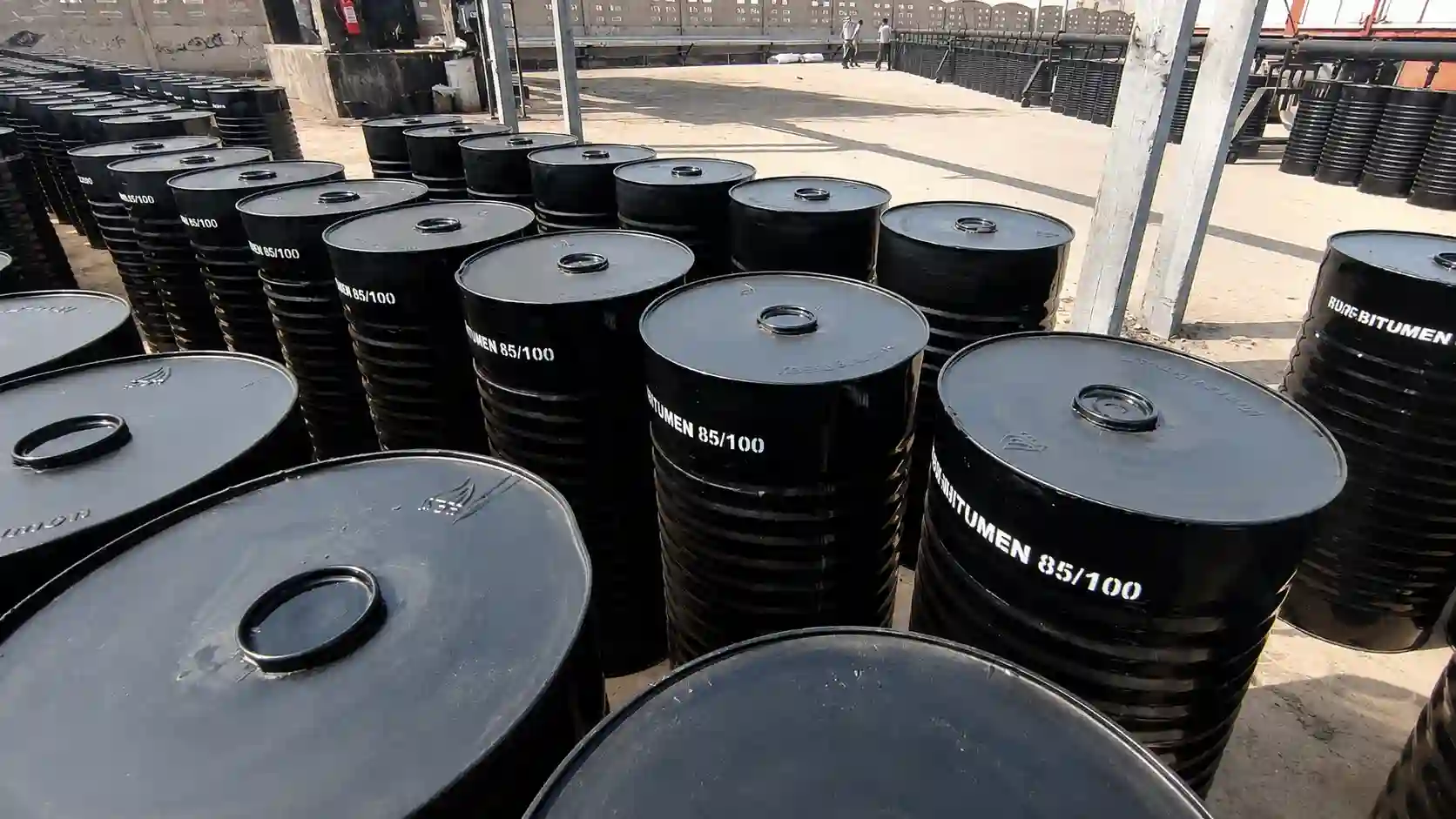
Bitumen 85/100 is a penetration-grade paving bitumen widely used in asphalt production for highways, city roads, airport pavements, parking areas, and industrial projects. The penetration value between 85 and 100 dmm makes this grade softer than Bitumen 60/70 and 40/50, allowing it to remain flexible under lower temperatures and reducing the risk of pavement cracking.
For contractors, government agencies, and international buyers, Bitumen 85/100 offers an excellent balance between workability, durability, and cost-effectiveness. It is especially recommended for countries experiencing moderate, cool, rainy, and cold climates, where pavement flexibility is essential.
What is Bitumen 85/100?
Bitumen 85/100 is produced through the vacuum distillation of crude oil in modern refineries. Its penetration range of 85–100 indicates that it is relatively soft, making it suitable for asphalt mixtures that need to withstand temperature fluctuations without becoming brittle.
This grade complies with international paving standards and is commonly exported worldwide in different packaging options, including:
- New Steel Drums
- Jumbo Bags
- Poly Bags
- Bitutainers
- Bulk Vessel Shipments
Its excellent adhesion with aggregates helps produce durable asphalt pavements with long service life.
Why Choose Bitumen 85/100?
There are several reasons why road contractors and asphalt producers prefer Bitumen 85/100.
Excellent Flexibility
Because of its softer consistency, Bitumen 85/100 maintains flexibility during colder weather and minimizes thermal cracking.
Strong Adhesion
It bonds effectively with aggregates, creating durable asphalt layers capable of handling heavy traffic.
Easy Mixing and Compaction
Lower viscosity allows asphalt plants to achieve better coating of aggregates while reducing energy consumption during production.
Long Pavement Life
Properly designed asphalt mixes using Bitumen 85/100 offer excellent fatigue resistance and long-term performance.
Cost-Effective
Its durability reduces maintenance costs throughout the pavement lifecycle.
Best Climate for Bitumen 85/100
One of the most important factors when selecting paving bitumen is climate.
Unlike harder penetration grades, Bitumen 85/100 performs exceptionally well where temperatures frequently decrease.
Moderate Climate
This is the ideal environment for Bitumen 85/100.
Typical annual temperatures:
- 5°C to 30°C
- Mild winters
- Moderate summers
Examples include:
- Northern Europe
- Central Europe
- Parts of Turkey
- Canada (southern regions)
- Northern United States
In these climates, the bitumen remains flexible while maintaining pavement stability.
Cold Climate
Bitumen 85/100 is highly recommended for cold regions because harder grades become brittle during winter.
Advantages include:
- Better resistance to thermal cracking
- Improved flexibility
- Reduced maintenance
- Longer pavement lifespan
Typical temperatures:
- -20°C to 20°C
Suitable regions:
- Scandinavia
- Russia
- Kazakhstan
- Mongolia
- Northern China
- Mountainous regions
Rainy Climate
Moisture accelerates pavement deterioration when the binder loses adhesion.
Bitumen 85/100 offers:
- Strong aggregate bonding
- Better resistance to moisture damage
- Reduced stripping
- Improved pavement durability
This makes it suitable for coastal and high-rainfall regions.
Areas with Large Temperature Variations
Many countries experience warm days and cold nights.
Because Bitumen 85/100 remains elastic, it helps reduce:
- Thermal stress
- Surface cracks
- Premature pavement failure
Is Bitumen 85/100 Suitable for Hot Climates?
Generally, Bitumen 85/100 is not the preferred option for very hot regions.
In tropical climates where pavement temperatures exceed 60°C, harder penetration grades such as:
- Bitumen 60/70
- Bitumen 50/70
- Bitumen 40/50
provide better resistance against rutting and deformation.
Therefore, selecting the appropriate penetration grade should always consider the local climate and traffic conditions.
Applications of Bitumen 85/100
The versatility of Bitumen 85/100 makes it suitable for numerous infrastructure projects.
Highway Construction
Its flexibility improves pavement performance and extends road life under continuous traffic loading.
Urban Roads
Municipal roads benefit from smoother surfaces and improved resistance to seasonal cracking.
Airport Pavements
Used in selected airport projects where climatic conditions require a softer paving binder.
Parking Areas
Provides durable asphalt surfaces with excellent resistance to repeated vehicle loading.
Residential Streets
Ideal for local roads requiring cost-effective, long-lasting pavement.
Industrial Roads
Heavy-duty industrial facilities use Bitumen 85/100 where environmental conditions favor flexible asphalt.
Asphalt Concrete Production
Widely used in:
- Dense Graded Asphalt
- Asphalt Base Course
- Binder Course
- Wearing Course
Advantages of Bitumen 85/100
Choosing Bitumen 85/100 provides several engineering and commercial benefits.
Better Low-Temperature Performance
Maintains pavement flexibility and minimizes cracking.
Improved Fatigue Resistance
Handles repeated traffic loading over long service periods.
High Adhesion
Creates durable bonding with mineral aggregates.
Easy Construction
Simplifies asphalt mixing, pumping, and paving operations.
Lower Maintenance Costs
Flexible pavements generally require fewer repairs.
Reliable Export Product
Available year-round with multiple international packing options.
Typical Technical Characteristics
Although specifications may vary slightly by refinery, Bitumen 85/100 generally includes:
| Property | Typical Range |
|---|---|
| Penetration at 25°C | 85–100 dmm |
| Softening Point | 42–52°C |
| Ductility | Minimum 100 cm |
| Flash Point | Above 230°C |
| Solubility | Above 99% |
Always verify the official Certificate of Analysis (COA) before shipment.
Packaging Options
International suppliers typically offer Bitumen 85/100 in:
- 180 kg New Steel Drums
- 150 kg Steel Drums
- 300 kg Jumbo Bags
- 1 MT Jumbo Bags
- Poly Bags
- Bitutainers
- Bulk Cargo
The packaging depends on destination, logistics, and customer requirements.
Export Markets
Global demand for Bitumen 85/100 continues to grow in countries with moderate and cold climates.
Major importing regions include:
- Europe
- Central Asia
- CIS Countries
- East Asia
- South America
- Parts of Africa with cooler climates
Reliable suppliers ensure:
- Competitive pricing
- Consistent quality
- Fast production
- Flexible shipping
- International documentation
How to Select the Right Bitumen Grade
Before purchasing Bitumen 85/100, evaluate:
- Local climate
- Annual temperature range
- Traffic intensity
- Pavement design
- National road standards
- Asphalt mix design
Choosing the correct penetration grade significantly improves pavement performance and reduces maintenance costs.
Why Buy Bitumen 85/100 from a Reliable Exporter?
Professional exporters provide:
- Guaranteed refinery quality
- SGS/BV inspection
- Competitive FOB, CFR, and CIF pricing
- Multiple packaging solutions
- Fast delivery schedules
- Complete export documentation
- Technical support for international buyers
Reliable suppliers also maintain consistent production capacity, ensuring uninterrupted supply for infrastructure projects worldwide.
Conclusion
Bitumen 85/100 is an excellent paving binder for infrastructure projects in moderate, cool, rainy, and cold climates. Its superior flexibility, excellent adhesion, and resistance to thermal cracking make it one of the best choices for long-lasting asphalt pavements. Whether you are a contractor, government agency, or international distributor, selecting Bitumen 85/100 can improve pavement durability while reducing long-term maintenance costs.
By partnering with a trusted supplier that offers certified quality, competitive export pricing, and reliable logistics, buyers can ensure consistent performance for road construction projects around the world.
Bitumen 85/100 is commonly used for:
- Highway construction
- Urban roads
- Residential streets
- Airport service roads
- Asphalt concrete production
- Pavement rehabilitation
- Road maintenance projects
Key advantages include:
- Excellent workability
- High flexibility
- Good adhesion with aggregates
- Strong waterproofing properties
- Long pavement life
- Reduced thermal cracking
- Easy mixing and compaction
Quality is generally produced according to internationally recognized standards such as:
- ASTM specifications
- EN standards
- AASHTO requirements
- Customer-specific project specifications
Each shipment is accompanied by a Certificate of Analysis (COA).