
APP Bituminous Waterproofing Membrane – Building Materials
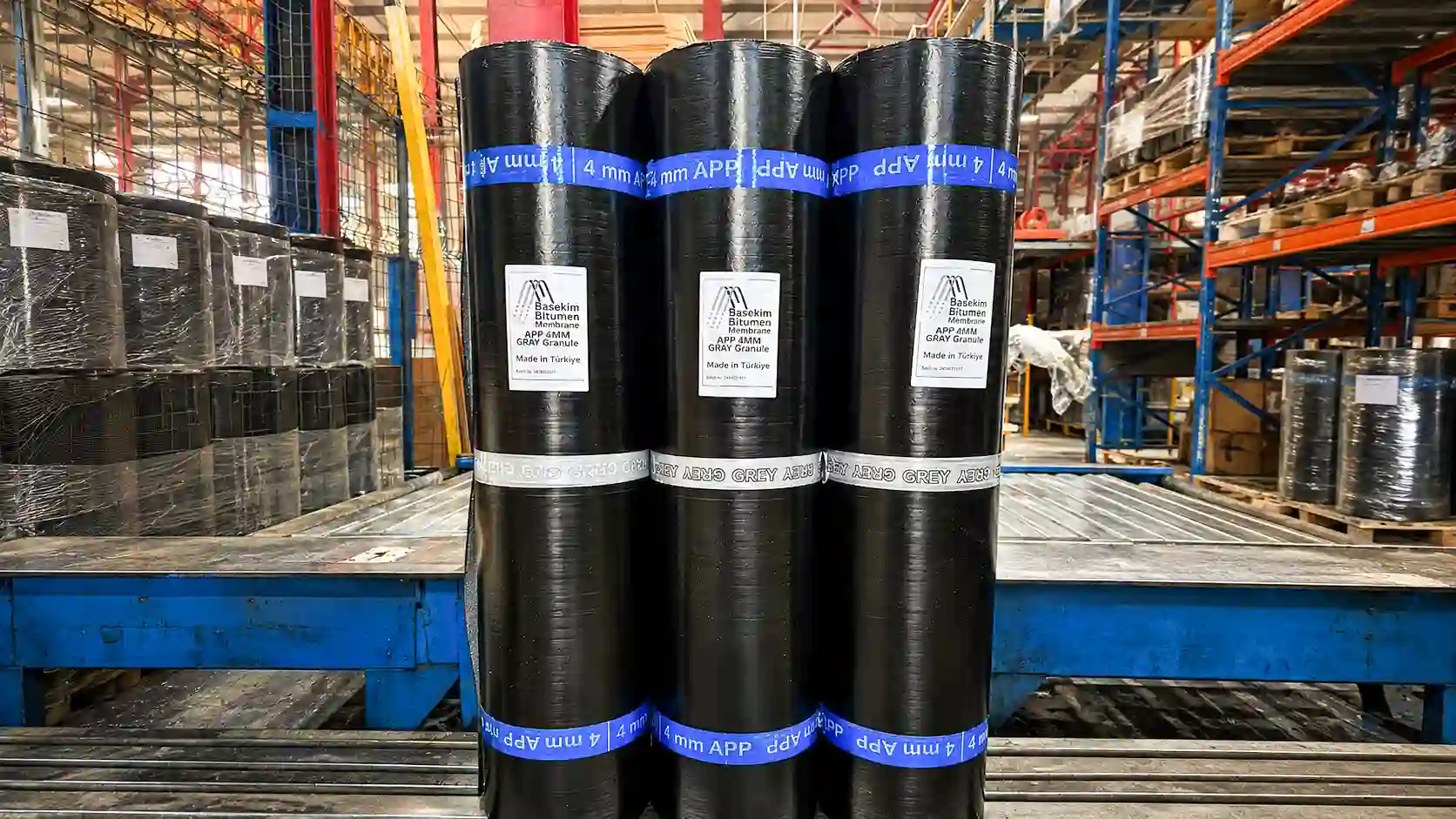
APP Bitumen Membrane is a high-performance waterproofing material widely used in residential, commercial, and industrial construction. Manufactured from bitumen modified with Atactic Polypropylene (APP) and reinforced with a durable carrier such as polyester or fiberglass, APP membranes provide excellent resistance to water penetration, heat, UV exposure, and demanding environmental conditions.
As a reliable building material, APP bitumen membrane is commonly selected for roofs, foundations, basements, terraces, concrete structures, retaining walls, and other areas where long-term waterproofing protection is required.
For contractors, waterproofing companies, building-material distributors, and infrastructure projects, APP-modified membranes provide a practical combination of durability, application efficiency, weather resistance, and competitive cost.
What Is APP Bitumen Membrane?
An APP bitumen membrane is a prefabricated waterproofing sheet produced using bitumen modified with Atactic Polypropylene. Adding APP polymers improves the thermal stability, durability, and weather resistance of conventional bitumen, making the membrane particularly suitable for applications exposed to high temperatures and strong sunlight.
The modified bituminous compound is normally reinforced with a carrier such as:
Non-woven polyester
Fiberglass
Composite reinforcement
Depending on the product design, the upper surface may be finished with mineral granules, sand, polyethylene film, aluminum foil, or other protective materials. The lower surface is generally designed for torch-on application, allowing the membrane to bond firmly to a properly prepared substrate.
Why Choose APP Bitumen Membrane for Waterproofing?
Water infiltration can cause serious damage to buildings, including concrete deterioration, corrosion of reinforcement, mold formation, damaged finishes, and reduced structural service life.
A properly installed APP bitumen membrane creates a continuous waterproof barrier that protects the building envelope against moisture and water penetration.
One of its major advantages is its performance under elevated temperatures. APP modification increases the membrane’s resistance to softening and deformation, making it particularly suitable for hot and sunny climates.
This makes APP membranes a popular waterproofing solution across the Middle East, Africa, Asia, and other regions with demanding climatic conditions.
Main Features of APP Bitumen Membrane
Excellent Waterproofing Performance
The membrane creates a continuous protective layer that prevents water and moisture from penetrating roofs, foundations, walls, and concrete structures.
High Temperature Resistance
APP-modified bitumen provides improved stability at elevated temperatures compared with conventional bituminous materials. This characteristic is particularly important for exposed roofing systems.
UV and Weather Resistance
Mineral-finished APP bitumen membrane can provide additional protection against sunlight and weather exposure, making it suitable for exposed waterproofing applications.
Strong Mechanical Properties
Polyester-reinforced membranes offer good tensile strength, dimensional stability, and resistance to mechanical stresses encountered during installation and service.
Long Service Life
When the correct membrane specification is selected and professionally installed, APP waterproofing systems can provide durable protection with relatively low maintenance requirements.
Efficient Installation
Torch-applied APP membranes can be installed efficiently over properly prepared concrete and compatible substrates, making them suitable for both new construction and renovation projects.
Applications of APP Bitumen Membrane
The versatility of APP bitumen membrane makes it suitable for numerous waterproofing applications within the construction industry.
Roof Waterproofing
APP membranes are extensively used for waterproofing flat and low-slope roofs on:
Residential buildings
Apartment complexes
Commercial properties
Shopping centers
Warehouses
Factories
Schools
Hospitals
Government buildings
The membrane protects the roofing structure against rainwater and moisture while providing good resistance to elevated rooftop temperatures.
Terraces and Balconies
Terraces and balconies are continuously exposed to weather and temperature fluctuations. APP waterproofing membranes can be installed beneath protective finishes to prevent water from reaching the structural concrete.
Basement Waterproofing
An APP bitumen membrane can be used as part of a basement waterproofing system to protect below-ground structures against soil moisture and groundwater.
Typical applications include basement walls, underground rooms, parking structures, and other substructures.
Foundation Waterproofing
Foundations require effective moisture protection to maintain structural integrity. APP membranes provide a durable waterproof barrier between the structure and surrounding soil.
Retaining Walls
APP-modified waterproofing sheets can protect retaining walls and buried concrete structures from water and moisture penetration.
Wet Areas
Depending on project design and local building requirements, bituminous membranes may also be incorporated into waterproofing systems for selected wet areas and service zones.
Infrastructure and Civil Engineering
APP waterproofing systems may be specified for selected civil engineering applications, including concrete decks, underground structures, tunnels, and other infrastructure where reliable water protection is required.
APP Bitumen Membrane for Hot Climates
One of the most important commercial advantages of APP bitumen membrane is its suitability for high-temperature environments.
Roof surfaces in hot regions can reach temperatures considerably higher than ambient air temperature. Waterproofing products used in these conditions must maintain dimensional stability and resist excessive softening.
The polypropylene modification of APP membranes improves high-temperature performance, making these products particularly attractive for construction projects in countries with hot, dry, or high-UV climates.
APP Membrane Reinforcement Types
The reinforcement used inside the membrane plays an important role in determining its mechanical performance.
Polyester reinforced APP membrane offers good tensile strength, flexibility, and resistance to movement. It is widely used for roofing and general waterproofing applications.
Fiberglass reinforced APP membrane provides excellent dimensional stability and is suitable for applications where structural movement is relatively limited.
The appropriate reinforcement should always be selected according to project specifications, substrate conditions, expected movement, and installation requirements.
Available Thicknesses
APP waterproofing membranes are commonly supplied in different thicknesses to meet various project requirements. Typical options may include:
3 mm APP bitumen membrane – suitable for selected general waterproofing applications and multi-layer systems.
4 mm APP bitumen membrane – one of the most widely specified thicknesses for roofing and building waterproofing.
5 mm APP bitumen membrane – suitable for projects requiring a heavier-duty waterproofing layer or specific engineering performance.
Exact thickness, reinforcement weight, membrane mass, roll dimensions, and performance requirements should be selected according to the project’s technical specification.
Mineral-Finished and Plain APP Membranes
APP membranes are available with different surface finishes depending on their intended use.
Plain APP Membrane
Plain or film-faced membranes are generally designed for covered waterproofing applications or as part of a multi-layer waterproofing system.
They can be installed beneath:
Screed
Tiles
Concrete protection
Insulation systems
Additional membrane layers
Mineral-Finished APP Membrane
Mineral-surfaced membranes contain protective mineral granules on the upper surface. These granules improve resistance to direct weather and UV exposure while providing an attractive finished surface.
Mineral membranes are commonly used as the final exposed layer of roofing waterproofing systems.
APP Bitumen Membrane Installation
Professional installation is essential for achieving reliable waterproofing performance.
Before application, the substrate should be clean, dry, stable, and free from dust, oil, loose materials, and significant surface defects. A compatible bituminous primer may be applied where required.
For torch-on systems, the underside of the APP bitumen membrane is carefully heated using a gas torch until the bituminous compound reaches the appropriate bonding condition. The membrane is then rolled onto the prepared substrate.
Special attention must be given to:
Side overlaps
End laps
Corners
Drainage outlets
Pipe penetrations
Parapets
Expansion details
Roof edges
Correct overlap sealing and detailing are essential because these areas are among the most critical points in any waterproofing system.
Installation should always follow the membrane manufacturer’s instructions, project specifications, and applicable safety requirements.
APP Bitumen Membrane vs. SBS Bitumen Membrane
APP and SBS are two major categories of polymer-modified bituminous waterproofing membranes.
APP bitumen membrane is modified primarily to provide excellent high-temperature stability, UV resistance, and weather durability. It is consequently widely selected for roofing and waterproofing projects in hot climates.
SBS-modified membranes are generally valued for their elasticity and flexibility, particularly where lower-temperature performance or greater substrate movement is an important design consideration.
Neither technology is universally superior. The correct choice depends on climate, application, substrate conditions, project specifications, and required mechanical properties.
Commercial Advantages for Contractors and Distributors
For building-material suppliers, contractors, developers, and waterproofing specialists, APP bitumen membrane represents an established commercial waterproofing product with applications across multiple construction sectors.
Key commercial advantages include:
Wide demand in residential and commercial construction
Suitable options for exposed and protected waterproofing systems
Multiple thickness and reinforcement configurations
Efficient transportation in roll form
Straightforward storage and handling
Compatibility with common construction substrates
Strong demand in hot-climate markets
Suitable for both new projects and renovation work
Cost-effective waterproofing compared with many specialized systems
APP membranes can therefore be supplied for individual construction projects as well as wholesale and distribution requirements.
APP Bitumen Membrane for Building Material Projects
Choosing the correct membrane requires more than simply selecting a thickness. Buyers and project engineers should evaluate the complete technical specification, including:
Membrane thickness
Reinforcement type and weight
Tensile strength
Elongation
Heat resistance
Low-temperature flexibility
Watertightness
Dimensional stability
Surface finish
Roll dimensions
Application method
Required standards
For large construction projects, products should be selected according to approved technical submittals and project-specific waterproofing requirements.
Packaging and Supply
APP bitumen membrane is normally supplied in rolls for convenient handling, transportation, storage, and installation.
Roll dimensions, thickness, membrane weight, reinforcement, surface finish, pallet configuration, and container loading quantities may vary according to product specifications and customer requirements.
For international buyers and building-material distributors, palletized membrane rolls provide an efficient solution for containerized export shipments.
Buy APP Bitumen Membrane for Your Project
Whether the requirement is for roofing, foundation waterproofing, basement protection, terraces, commercial developments, or industrial construction, APP bitumen membrane provides a durable and commercially proven waterproofing solution.
Different grades can be supplied according to required thickness, reinforcement, surface finish, roll dimensions, and project specifications.
For contractors, distributors, importers, and project procurement teams, selecting the appropriate APP membrane can help achieve reliable waterproofing performance while maintaining competitive project costs.
Contact us for APP bitumen membrane prices, technical specifications, datasheets, packing details, container loading quantities, and commercial quotations for your destination.
FAQ for APP Bitumen Membrane
Yes. APP-modified bitumen offers excellent high-temperature stability, making it particularly suitable for roofing and waterproofing projects in hot and sunny regions.
Common thicknesses include 3 mm, 4 mm, and 5 mm, although availability depends on the manufacturer and project specification.
APP membranes generally provide superior high-temperature stability, while SBS membranes are typically selected when greater elasticity and low-temperature flexibility are required.