
Bitumen MC30 Guide: Uses, Benefits, and Specifications
Bitumen MC30 is one of the most widely used types of cutback bitumen in road construction and infrastructure projects. It is specifically designed to provide excellent penetration, bonding, and surface preparation before asphalt pavement applications. Due to its low viscosity and ability to penetrate porous surfaces, bitumen MC30 is commonly used as a prime coat material to improve adhesion between the existing base layer and the asphalt surface.
In modern road construction, proper surface preparation plays a critical role in determining pavement durability and performance. Without effective bonding between different pavement layers, roads may experience early failures such as cracking, potholes, and surface deterioration. This is where bitumen MC30 provides significant value by creating a strong connection between granular base materials and asphalt layers.
The demand for bitumen MC30 has increased globally due to growing infrastructure development, highway construction, airport projects, and maintenance activities. Countries with expanding transportation networks use this product because of its excellent penetration characteristics and adaptability to different construction conditions.
What Is Bitumen MC30?
Bitumen MC30 is a medium-curing cutback bitumen produced by blending penetration-grade bitumen with a petroleum-based solvent. The solvent reduces the viscosity of the bitumen, allowing it to flow easily and penetrate into compacted surfaces.
The term “MC” refers to Medium Curing, which means the solvent evaporates at a controlled rate after application, leaving behind the original bitumen binder. The number “30” indicates the viscosity grade of the product according to standard classifications.
Unlike conventional paving bitumen, which requires heating before application, bitumen MC30 can be applied at lower temperatures because of its reduced viscosity. This makes it suitable for prime coating applications where penetration into the base material is required.
Main Properties of Bitumen MC30
The performance of bitumen MC30 is determined by several important characteristics:
1. Low Viscosity
One of the key features of bitumen MC30 is its low viscosity compared with standard paving bitumen. This allows it to spread easily and penetrate deep into porous surfaces.
Low viscosity helps:
- Improve surface bonding
- Provide uniform coating
- Reduce application difficulties
- Enhance pavement strength
2. Excellent Penetration Ability
The main purpose of bitumen MC30 is prime coating. It penetrates into granular materials such as crushed stone, gravel, and soil-based road foundations.
This penetration creates:
- Better adhesion between layers
- Improved moisture resistance
- Stronger pavement structure
- Reduced risk of surface separation
3. Medium Curing Characteristics
The solvent content in bitumen MC30 evaporates gradually after application. This medium curing process provides enough time for proper penetration while allowing the binder to achieve its final strength.
4. Strong Binding Performance
After curing, the remaining bitumen forms a durable binding layer that improves the stability of the pavement structure.
Applications of Bitumen MC30
Bitumen MC30 is mainly used in road construction and maintenance projects. Its most common applications include:
1. Prime Coat Application
The primary application of bitumen MC30 is as a prime coat between untreated base materials and asphalt layers.
A prime coat helps:
- Seal the surface
- Reduce water penetration
- Improve bonding
- Stabilize loose particles
Before asphalt pavement is placed, applying bitumen MC30 ensures that the asphalt layer properly adheres to the foundation.
2. Road Construction Projects
Highways, urban roads, rural roads, and industrial roads commonly use bitumen MC30 during construction.
It is suitable for:
- New road projects
- Road expansion
- Pavement rehabilitation
- Base stabilization
3. Asphalt Pavement Preparation
Before placing asphalt mixtures, the surface must be properly prepared. Bitumen MC30 provides the required adhesion between the base layer and asphalt pavement.
4. Airport Runway Construction
Airport pavements require high durability and strong layer bonding. Bitumen MC30 is used as part of pavement preparation systems to improve structural performance.
5. Maintenance and Repair Work
During road maintenance, bitumen MC30 can be used to restore damaged surfaces and improve bonding between repaired sections.
Climate Conditions Suitable for Bitumen MC30
Choosing the correct bitumen grade depends greatly on climate conditions. Bitumen MC30 is especially suitable for regions where penetration and surface absorption are required.
Hot and Dry Climates
Bitumen MC30 performs well in hot and dry regions because it can penetrate dusty and porous surfaces before curing.
It is widely used in areas such as:
- Middle East countries
- Desert regions
- Arid climates
- Hot inland areas
In these environments, proper surface bonding is essential because high temperatures can accelerate pavement aging.
Moderate Climate Areas
In moderate climates, bitumen MC30 can provide excellent performance when applied correctly according to construction standards.
Cold Climate Considerations
In very cold regions, contractors must carefully evaluate the use of bitumen MC30 because curing time may increase due to slower solvent evaporation.
Low temperatures can affect:
- Drying speed
- Penetration performance
- Construction timing
For cold regions, alternative grades may sometimes be preferred depending on project specifications.
Advantages of Using Bitumen MC30
There are several reasons why contractors choose bitumen MC30 for infrastructure projects.
1. Improved Pavement Durability
By improving bonding between pavement layers, bitumen MC30 helps extend road service life.
2. Better Moisture Protection
A properly applied prime coat reduces water penetration into the road foundation, protecting against damage caused by moisture.
3. Easy Application
Because of its lower viscosity, bitumen MC30 is easier to spray and distribute compared with harder bitumen grades.
4. Effective Surface Stabilization
It helps stabilize loose particles and creates a stronger foundation for asphalt placement.
5. Cost Efficiency
Using bitumen MC30 can reduce maintenance requirements by improving pavement performance and preventing early failures.
Difference Between Bitumen MC30 and Other Bitumen Grades
Different bitumen products are designed for different applications.
Bitumen MC30 vs Bitumen 60/70
Bitumen 60/70 is a penetration-grade paving bitumen mainly used in asphalt production. It requires heating before application.
Bitumen MC30, however:
- Has lower viscosity
- Contains solvent
- Is mainly used as prime coat
- Penetrates better into base materials
Bitumen MC30 vs Bitumen MC70
Both are medium-curing cutback bitumen products, but MC30 has lower viscosity and greater penetration ability.
MC30 is generally preferred when deeper penetration into porous surfaces is required.
Bitumen MC30 vs Bitumen VG Grades
Viscosity-grade bitumen such as VG30 is commonly used for asphalt pavement production, while bitumen MC30 is primarily used for surface preparation and priming.
How Is Bitumen MC30 Applied?
Proper application is essential to achieve maximum performance.
Typical application steps include:
- Cleaning the road base surface
- Removing dust, dirt, and loose materials
- Applying bitumen MC30 using spraying equipment
- Allowing sufficient curing time
- Applying asphalt pavement layers
The application rate depends on:
- Surface condition
- Material absorption
- Weather conditions
- Project specifications
Storage and Handling of Bitumen MC30
Proper storage ensures product quality and safety.
Recommended practices include:
- Store in sealed tanks
- Protect from contamination
- Keep away from open flames
- Maintain proper ventilation
- Avoid water mixing with the product
Because bitumen MC30 contains petroleum solvents, safe handling procedures must always be followed.
Bitumen MC30 Export and Global Market Demand
The international demand for bitumen MC30 continues to grow due to increasing infrastructure development worldwide.
Major importing regions include:
- Middle East
- Africa
- Asia
- South America
Countries investing in highways, transportation networks, and urban development frequently require reliable supplies of cutback bitumen products.
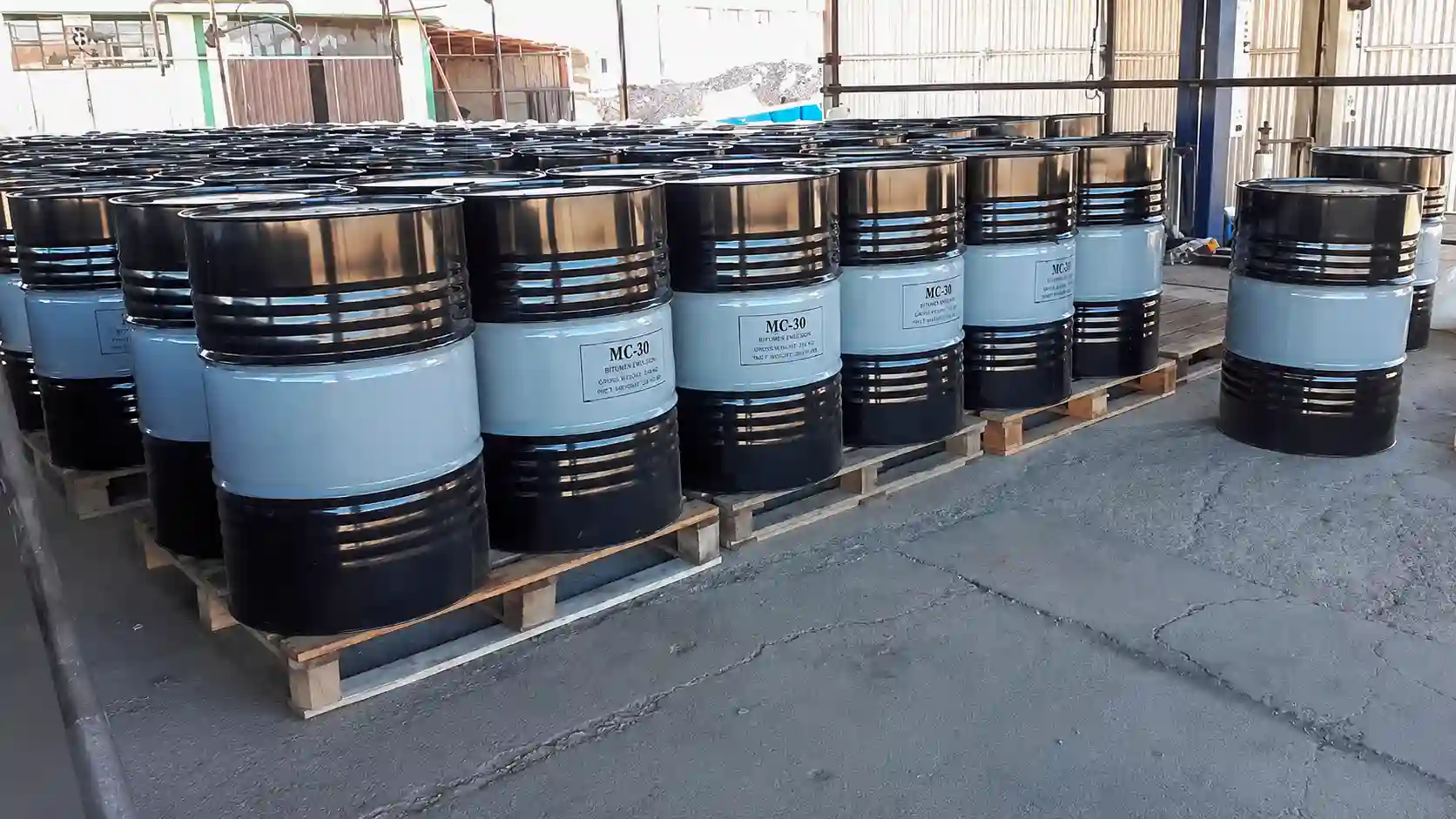
Export suppliers typically provide bitumen MC30 in different packaging options, including:
- Bulk tanker shipments
- Steel drums
- Flexitanks
The choice of packaging depends on transportation requirements and project volume.
Quality Standards for Bitumen MC30
High-quality bitumen MC30 should comply with international specifications to ensure reliable performance.
Important quality factors include:
- Proper viscosity
- Correct solvent content
- Consistent penetration
- Uniform composition
- Low contamination levels
Buyers should always request technical data sheets and quality certificates before purchasing.
Environmental Considerations
Although bitumen MC30 provides excellent construction benefits, responsible handling is important because it contains petroleum solvents.
Modern construction practices focus on:
- Reducing emissions
- Improving application efficiency
- Using environmentally responsible alternatives when suitable
Contractors should follow local environmental regulations during storage and application.
Conclusion
Bitumen MC30 is an important construction material widely used for prime coating, road preparation, and pavement improvement. Its low viscosity, excellent penetration capability, and strong bonding properties make it a preferred choice for many infrastructure projects worldwide.
The product performs especially well in hot and dry climates where surface penetration and moisture protection are essential. From highways and airports to road maintenance projects, bitumen MC30 helps create stronger and longer-lasting pavement structures.
Choosing the correct bitumen grade, applying it properly, and maintaining quality standards are key factors in achieving successful construction results. As global infrastructure development continues, the demand for reliable products such as bitumen MC30 is expected to remain strong in the international market.
Cutback Bitumen MC-30 is primarily used as a prime coat on granular road bases before asphalt paving. It penetrates porous surfaces, improves adhesion between the base and asphalt layer, and helps reduce dust. It is also used for road maintenance and cold asphalt mixes.
Yes. Bitumen MC-30 is designed for cold application and can usually be applied at ambient temperatures using a spray distributor, brush, or roller. Heating is generally unnecessary unless recommended by the manufacturer in cold weather.
Bitumen MC-30 is suitable for granular road bases, crushed stone, stabilized soil, and other porous surfaces. It penetrates the surface and creates a strong bond for the subsequent asphalt layer.