

Chinese Grade Bitumen AH 130
Chinese Grade bitumen AH 130 is a soft penetration-grade petroleum bitumen developed for road construction and asphalt applications that require strong flexibility, particularly in colder climatic conditions. Its relatively high penetration level helps the binder remain flexible when pavement temperatures fall. Therefore, engineers can use this grade where resistance to low-temperature cracking plays an important role in pavement design.
AH-130 belongs to the Chinese AH series for petroleum asphalt. The GB/T 15180 standard includes AH-130 together with AH-110, AH-90, AH-70, AH-50, and AH-30. Under this grading system, AH-130 has a penetration range of 120–140 dmm at 25°C.
Because of its softer consistency, this grade behaves differently from harder paving grades. Contractors, asphalt producers, road authorities, and industrial buyers should therefore select it according to climate, pavement design, traffic requirements, and the applicable project specification.
Main Characteristics of Chinese Grade Bitumen AH 130
Chinese Grade bitumen AH 130 combines flexibility, adhesion, workable consistency, and reliable aggregate coating. Its relatively soft structure makes it particularly useful where asphalt needs to tolerate thermal movement.
One of its main characteristics is its 120–140 dmm penetration range at 25°C. Higher penetration generally indicates a softer binder. Consequently, AH-130 can maintain better flexibility at low temperatures than harder grades with lower penetration values.
The Chinese standard also specifies other important properties, including softening point, ductility, flash point, solubility, wax content, and resistance to short-term ageing. Together, these parameters allow engineers and buyers to evaluate the quality and performance of the material.
Moreover, the binder provides strong adhesion to mineral aggregates when manufacturers design and produce the asphalt mixture correctly. Good adhesion supports pavement cohesion and helps the asphalt layer perform under normal service conditions.
AH-130 Penetration and Flexibility
The penetration value represents one of the most important characteristics of this grade. Standard testing measures how deeply a specified needle enters the bitumen under controlled conditions.
For AH-130, the standard penetration range reaches 120 to 140 units of 0.1 mm at 25°C.
This relatively high penetration range gives the binder a soft and flexible character. As a result, the asphalt can better accommodate contraction when temperatures fall.
Low temperatures can make asphalt binders harder and more brittle. If the binder cannot tolerate thermal stress, cracks may form across the pavement surface. Therefore, designers often consider softer grades in colder environments where thermal cracking represents a major concern.
However, engineers should always match the binder grade with the complete pavement design. Climate, axle loads, traffic frequency, aggregate properties, pavement thickness, and mixture design all influence final road performance.
Performance in Cold Climate Applications
Cold climates create demanding conditions for asphalt pavement. During winter, pavement temperature can drop significantly. At the same time, repeated temperature changes cause the asphalt layer to expand and contract.
A flexible binder helps the pavement tolerate this movement.
AH-130 offers the softness needed for applications where low-temperature flexibility receives greater priority than maximum high-temperature stiffness. For this reason, it sits at the soft end of the AH grading system. Industry comparisons often associate this penetration range with severe cold-zone applications.
Furthermore, proper mixture design can improve resistance to thermal cracking and help extend pavement service life. Nevertheless, contractors should never select a binder based only on the grade name. They should review local climate data, road design standards, traffic conditions, and project specifications before purchase.
Technical Properties of AH-130
The GB/T 15180 framework evaluates several properties that directly influence product quality.
Typical requirements associated with AH-130 include:
| Property | Requirement |
|---|---|
| Penetration at 25°C, 100 g, 5 sec | 120–140 dmm |
| Ductility at 15°C | ≥ 100 cm |
| Softening Point | 38–51°C |
| Solubility | ≥ 99.0% |
| Flash Point | ≥ 230°C |
| Wax Content | ≤ 3.0% |
| Mass Change after Thin Film Oven Test | ≤ 1.3% |
| Retained Penetration Ratio | ≥ 45% |
These figures reflect published technical requirements for AH-130 under the Chinese heavy-traffic road petroleum asphalt standard.
Actual shipment specifications should always appear on the producer’s or supplier’s Certificate of Analysis. Therefore, buyers should review the COA before confirming large-volume orders.
Softening Point and Temperature Behavior
The softening point helps engineers understand how bitumen responds as temperature rises.
Chinese specifications place the AH-130 softening point within approximately 38–51°C.
This range reflects the softer nature of the material. In comparison, harder AH grades generally show higher softening-point ranges.
Therefore, AH-130 usually fits projects where cold-temperature performance matters more than extreme resistance to high-temperature deformation.
Designers in very hot climates or roads with extremely heavy axle loads may require a harder binder or a performance-modified system instead. Consequently, proper engineering evaluation remains essential.
Ductility and Asphalt Crack Resistance
Ductility indicates how far bitumen can stretch before breaking under specified testing conditions.
AH-130 requires high ductility, with a value of at least 100 cm at 15°C under the cited Chinese specification.
High ductility contributes to binder flexibility. Additionally, it helps the asphalt accommodate movement without immediate fracture.
This property becomes especially useful in areas that experience significant seasonal temperature changes. However, the final asphalt mixture depends on much more than binder ductility. Aggregate gradation, compaction, air voids, binder percentage, drainage, and construction quality also affect pavement cracking.
Applications of AH-130 Bitumen
Contractors and asphalt producers can consider this grade for several applications when project specifications permit its use.
Cold-Region Road Construction
AH-130 can support pavement construction in colder areas where low-temperature cracking presents a major design challenge.
Asphalt Mixture Production
Asphalt plants can use the binder in appropriately designed hot-mix formulations. The exact mixture design should match local standards and expected service conditions.
Surface and Maintenance Work
Depending on local technical requirements, softer petroleum asphalt can support selected road maintenance and surface-treatment applications.
Emulsion and Cutback Production
Soft penetration binders may also serve as base materials for certain emulsified or cutback asphalt formulations. However, the finished emulsion or cutback requires its own formulation and specification; the base binder grade alone does not define finished-product performance.
AH-130 vs AH-110 and AH-70
Understanding the AH grading system helps buyers select the correct product.
AH-130 has a penetration range of 120–140 dmm, while AH-110 sits around 100–120 dmm and AH-70 around 60–80 dmm under GB/T 15180.
Therefore, AH-130 remains softer than both AH-110 and AH-70.
This difference affects temperature sensitivity and potential field performance. AH-130 provides greater flexibility, while lower-penetration grades provide greater stiffness.
For that reason, buyers should avoid treating the grades as interchangeable products. Engineers should choose the appropriate grade after evaluating pavement temperature, traffic loading, asphalt mixture design, and national specifications.
Quality Control and Testing
Reliable testing helps buyers confirm that each shipment meets the required specification.
Laboratories can evaluate parameters such as:
penetration;
softening point;
ductility;
flash point;
solubility;
density;
wax content;
ageing behavior;
retained penetration after ageing.
The Chinese standard references specific test methods for these characteristics.
Additionally, professional exporters should provide relevant commercial and technical documents according to contract requirements. Buyers can request a Certificate of Analysis, packing details, product specification, and other shipment documents before loading.
Packaging and Export Options
Exporters can supply road bitumen through several packaging systems depending on destination, shipment quantity, unloading facilities, and buyer requirements.
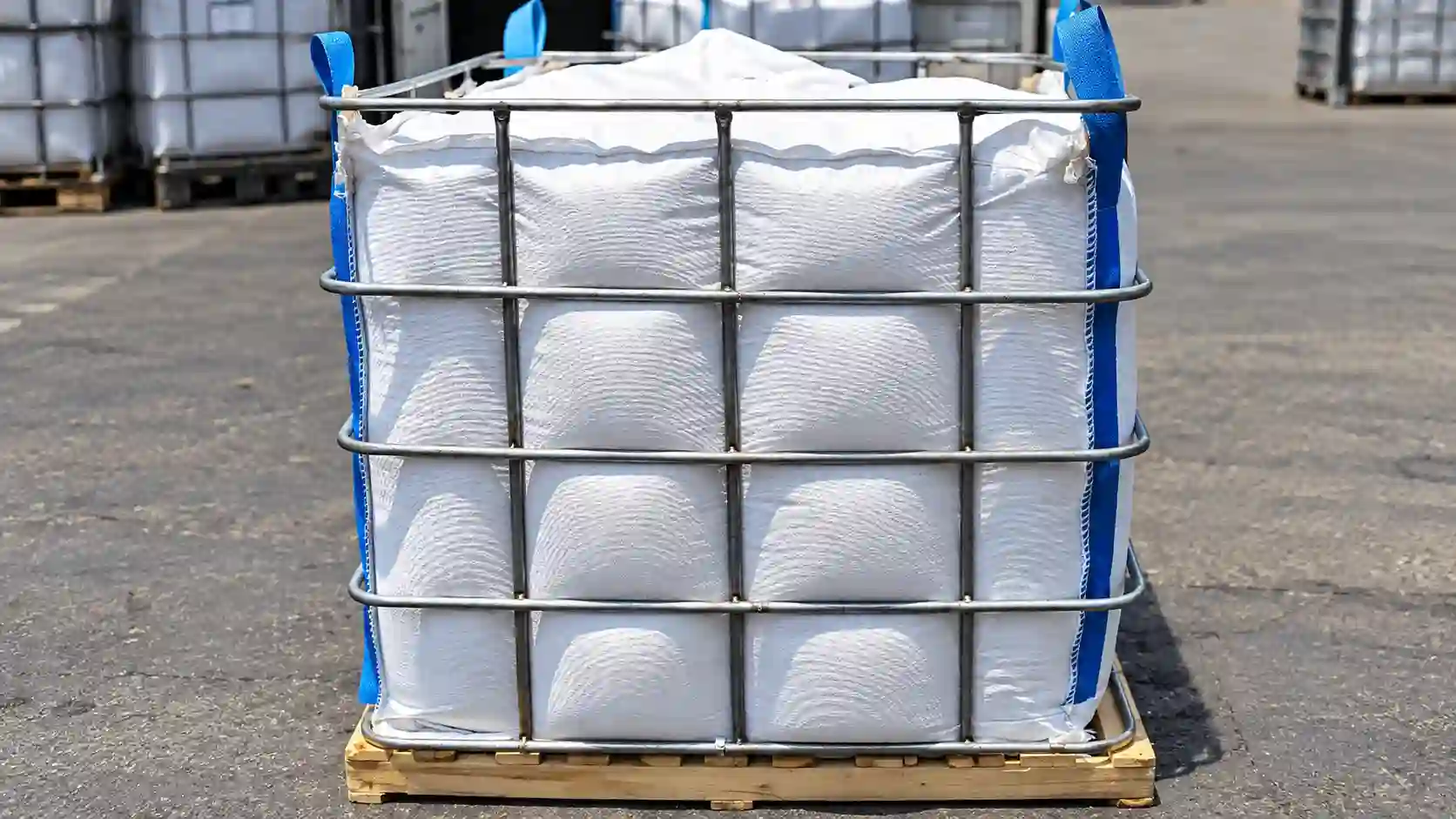
Common options can include steel drums, jumbo bags, bulk loading, or other suitable industrial packaging arrangements.
Drummed material offers straightforward handling in markets without heated bulk storage facilities. Meanwhile, larger packaging formats can reduce packaging material per metric ton. Bulk shipment can provide efficient logistics for major asphalt terminals that operate suitable heated storage systems.
Therefore, buyers should select packaging according to port infrastructure, storage capacity, project consumption rate, and local handling conditions.
Chinese Grade Bitumen AH 130 Supplier
Basekim supplies and exports Chinese Grade bitumen AH 130 for international road construction and industrial markets, with commercial support for bulk orders, export documentation, packaging arrangements, and international shipment requirements.
Before placing an order, buyers should confirm the required standard, technical specification, quantity, packaging type, destination port, inspection requirements, and requested delivery schedule.
Clear specifications reduce commercial risk and help both parties prepare the correct material.
Storage and Handling
Store AH-130 in equipment designed for petroleum bitumen and keep the material free from water, dirt, fuel, solvents, and other contaminants.
For heated storage, operators should control temperature carefully. Excessive or prolonged heating can accelerate oxidation and change binder characteristics.
Moreover, workers should use appropriate personal protective equipment when handling hot bitumen. Hot material can cause serious thermal burns. Facilities should therefore follow applicable occupational safety procedures for loading, unloading, storage, sampling, and asphalt production.
FAQ for Bitumen AH 130
AH-130 has a penetration range of approximately 120–140 dmm at 25°C under GB/T 15180.
Its soft consistency and relatively high penetration make it particularly relevant where low-temperature flexibility and thermal-crack resistance matter.
Yes. AH-130 has substantially higher penetration than AH-70, which means it has a softer consistency under the relevant penetration test conditions.