
Bitumen RC 30 tack coating for surface treatment
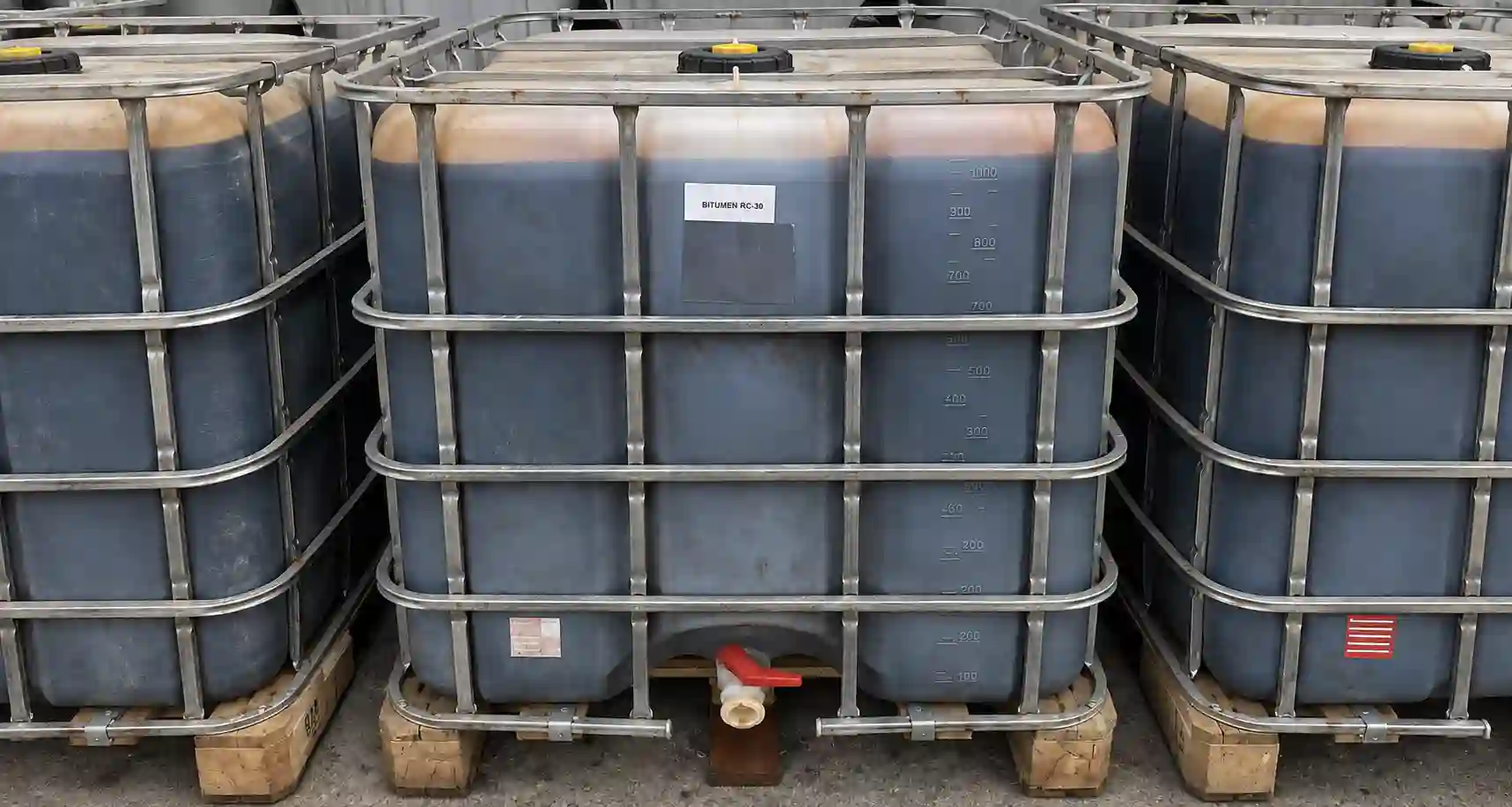
Bitumen RC 30 is a rapid-curing cutback bitumen widely used in road construction, pavement maintenance, tack coating, surface treatment, and other applications where a low-viscosity bituminous binder is required. Because of its excellent spreading ability and relatively fast curing characteristics, this product can provide effective adhesion between pavement surfaces and newly applied asphalt materials.
In road construction, achieving proper bonding between pavement layers is essential. If the existing surface and the new asphalt layer do not bond correctly, problems such as slippage, cracking, delamination, and premature pavement failure may occur. The use of Bitumen RC 30 tack coating for surface treatment can help create a strong adhesive interface when the material is selected and applied according to project specifications.
This product is particularly useful where rapid solvent evaporation and easy application are important. Its fluid consistency allows the material to spread over road surfaces and enter small surface irregularities before the remaining bitumen forms an adhesive film.
What Is Bitumen RC 30?
This product is a type of rapid-curing cutback bitumen. Cutback bitumen is manufactured by combining paving-grade bitumen with a petroleum-based solvent or cutter. The addition of the solvent reduces the viscosity of the bitumen, making it easier to spray and distribute without requiring the very high application temperatures normally associated with conventional paving bitumen.
The letters RC mean Rapid Curing. Rapid-curing cutbacks are formulated with relatively volatile petroleum solvents. After this product is applied to a road surface, the solvent gradually evaporates, leaving the bituminous binder behind.
The number 30 represents the viscosity classification of the product within the rapid-curing cutback bitumen range.
Because this product has comparatively low viscosity, it is suitable for applications requiring good spraying characteristics, penetration, surface coverage, and adhesion.
Bitumen RC 30 Tack Coating for Surface Treatment
One of the important applications of Bitumen RC 30 is as a bituminous coating between pavement surfaces.
A tack coat is a thin layer of bituminous material applied between an existing pavement surface and a new asphalt course. The purpose of the tack coat is to help the two pavement layers behave as a unified structure rather than as separate layers.
When Bitumen RC 30 tack coating for surface treatment is applied properly, the residual bitumen remaining after solvent evaporation creates an adhesive layer that improves bonding.
A good bond between pavement layers helps transfer traffic stresses through the pavement structure. Poor bonding, on the other hand, can contribute to pavement movement and deterioration.
For this reason, tack coating should not be considered a minor stage of road construction. Correct surface preparation, material selection, application rate, curing time, and paving procedures all influence the final performance.
Why Use This Product for Tack Coating?
Bitumen RC 30 offers several characteristics that can make it useful for selected tack coating and road treatment applications.
Low Viscosity
The relatively low viscosity of Bitumen RC 30 helps the material spread over pavement surfaces.
This characteristic can help achieve relatively uniform coverage when appropriate spraying equipment is used.
Rapid Curing
As its name indicates, this product belongs to the rapid-curing category of cutback bitumen.
After application, the volatile components begin evaporating, leaving a bituminous residue on the pavement.
This curing characteristic can be beneficial where road construction schedules require relatively fast development of an adhesive bituminous film.
Good Surface Adhesion
The residual bituminous binder helps create adhesion between the prepared pavement surface and the asphalt material installed above it.
Good adhesion is essential for maintaining structural continuity between pavement layers.
Easy Application
Because the solvent reduces viscosity, Bitumen RC 30 can generally be sprayed more easily than highly viscous paving-grade bitumen.
Application temperature and operational requirements should always follow the project specification and supplier recommendations.
How This Product Works as a Tack Coat
The tack coating process begins with surface preparation.
The existing pavement must normally be cleaned so that dust, soil, loose aggregates, mud, oil, and other contaminants do not prevent the binder from contacting the pavement.
Once the surface is ready, Bitumen RC 30 can be applied using appropriate spraying equipment.
Immediately after application, the product forms a thin liquid coating. The petroleum solvent then begins to evaporate. As evaporation progresses, the coating becomes increasingly rich in bitumen.
After sufficient curing, the remaining bituminous film provides the adhesive surface required for the next pavement layer.
The new asphalt mixture is then placed above the treated surface according to the project's paving procedure.
Correct curing time is important. Paving too early may interfere with solvent evaporation, while excessive delays can expose the treated surface to dust, traffic, and contamination.
This Product for Surface Treatment
In addition to tack coating, Bitumen RC 30 can be used in selected forms of surface treatment.
Surface treatment generally refers to applying bituminous material to an existing or prepared road surface to improve surface characteristics, provide waterproofing, bind aggregate, or assist in pavement preservation.
Bitumen RC 30 can spread over the surface and enter minor pores and irregularities because of its low viscosity.
Depending on the engineering design, surface treatment may involve spraying the binder followed by the application of aggregate.
The bituminous binder helps hold the aggregate particles in position while creating a protective road surface.
Surface treatments are frequently used on roads where a full asphalt overlay may not be economically necessary or where a relatively thin protective treatment can extend pavement service life.
Advantages of Bitumen RC 30 in Road Construction
Using this product can provide several advantages when the product matches the technical requirements of a project.
Strong Bond Between Layers
A properly applied Bitumen RC 30 tack coat helps improve adhesion between existing pavement and newly placed asphalt.
Better interlayer bonding can reduce the risk of movement between pavement courses.
Efficient Surface Coverage
The fluid nature of Bitumen RC 30 allows it to be distributed over prepared surfaces using bitumen spraying equipment.
Uniform distribution is important because excessively heavy or insufficient application can negatively affect pavement performance.
Fast Solvent Evaporation
Rapid-curing characteristics can shorten the period required for the material to develop its residual bitumen film compared with slower-curing cutbacks.
Actual curing time depends on temperature, weather, application rate, surface condition, and product formulation.
Penetration Into Surface Voids
The relatively low viscosity allows Bitumen RC 30 to enter small pores and surface irregularities.
This characteristic may improve contact between the binder and some pavement or aggregate surfaces.
Suitable for Maintenance Applications
Bitumen RC 30 may be used in selected road maintenance works, including surface treatments and pavement repairs.
Its workability makes it useful where a sprayable bituminous binder is required.
Surface Preparation Before Applying Bitumen RC 30
Surface preparation is one of the most important factors affecting tack coat performance.
The pavement should normally be clean, structurally sound, and free from loose materials.
Dust can act as a separation layer between the pavement and the Bitumen RC 30 coating. Instead of bonding directly with the road surface, the binder may attach to dust particles, reducing effective adhesion.
Before applying Bitumen RC 30, contractors may use mechanical sweeping, compressed air, or other approved cleaning methods.
Standing water should generally be avoided unless the project specification specifically permits application under particular surface conditions.
Oil contamination and other materials that may interfere with bonding should also be removed.
Application of Bitumen RC 30 Tack Coat
Bitumen RC 30 is normally applied using calibrated bitumen distributors or spraying equipment.
Uniform application is important.
Areas receiving too little binder may not develop adequate adhesion, while excessive quantities can potentially create a lubricating layer and contribute to pavement instability.
The exact application rate cannot be determined from the product name alone. It depends on factors including:
Existing pavement texture
Surface porosity
Type of asphalt layer
Traffic conditions
Weather conditions
Engineering specifications
Residual binder requirements
A rough and oxidized surface may require a different quantity from a relatively smooth asphalt surface.
For this reason, contractors should follow project specifications rather than applying one universal rate to every road.
Curing of Bitumen RC 30
Curing is an essential part of working with Bitumen RC 30.
The petroleum solvent contained in the cutback bitumen must evaporate sufficiently so that the desired bituminous film remains on the road surface.
Temperature significantly affects evaporation. Warm, dry weather generally accelerates curing, while lower temperatures and humid conditions can slow the process.
Wind conditions can also influence solvent evaporation.
The contractor should ensure that the Bitumen RC 30 tack coating has reached the required condition before the next asphalt layer is installed.
Bitumen RC 30 for Road Maintenance
Bitumen RC 30 is not limited to new road construction. It can also be used for selected pavement maintenance applications.
Road surfaces gradually deteriorate due to traffic loading, oxidation, temperature fluctuations, water penetration, and environmental exposure.
Surface treatments using suitable bituminous binders can help protect existing pavement and restore certain surface characteristics.
Depending on the engineering design, Bitumen RC 30 may be considered for:
Pavement surface treatment
Tack coating
Minor pavement repair
Aggregate surface applications
Maintenance of low-volume roads
Selected patching operations
Bituminous spraying works
Every project should be evaluated individually because road condition, climate, traffic intensity, and local standards may affect material selection.
Bitumen RC 30 vs. Bitumen Emulsion
Both cutback bitumen and bitumen emulsions can be used for certain spraying and surface treatment applications, but the materials work differently.
Bitumen RC 30 uses a petroleum solvent to reduce viscosity. The material cures primarily as the volatile solvent evaporates.
Bitumen emulsion consists of bitumen dispersed in water with the assistance of emulsifying agents. The emulsion sets as the dispersed bitumen separates from the water phase.
Environmental and regulatory requirements have increased the use of emulsions in many markets because cutback bitumen releases volatile organic compounds during curing.
However, Bitumen RC 30 continues to be specified in certain markets and projects where its rapid-curing characteristics and application properties are required.
Material selection should therefore be based on the applicable road authority specification, climatic conditions, construction method, environmental requirements, and engineering design.
Storage and Handling of Bitumen RC 30
Proper handling is particularly important because Bitumen RC 30 contains volatile petroleum components.
The material should be stored in suitable closed containers or tanks designed for cutback bitumen products.
Storage areas should be kept away from ignition sources, flames, sparks, and inappropriate heat exposure.
Workers handling Bitumen RC 30 should follow the Safety Data Sheet and use suitable personal protective equipment.
Ventilation is particularly important when the product is handled in enclosed or poorly ventilated areas.
Transportation, storage, heating, and application must comply with applicable national and international safety regulations.
Quality of Bitumen RC 30
Quality control is important when purchasing Bitumen RC 30 for road construction.
Depending on the required standard, laboratory testing may include properties such as:
Kinematic viscosity
Flash point
Distillation characteristics
Residue from distillation
Penetration of residue
Ductility of residue
Solubility
The required values should follow the standard specified by the customer, road authority, consultant, or project documentation.
A Certificate of Analysis can help buyers confirm that the supplied Bitumen RC 30 meets the agreed technical parameters.
Bitumen RC 30 Packaging
Bitumen RC 30 can be supplied in different packaging formats depending on project size, transportation requirements, and destination.
Common supply options may include:
New steel drums
Tanker delivery
ISO tanks
Bulk supply
Drums can be practical for export markets and projects where bulk storage facilities are unavailable.
Bulk or tanker delivery can be more efficient for large-volume road construction projects with suitable storage infrastructure.
Conclusion
Bitumen RC 30 is a versatile rapid-curing cutback bitumen used in road construction, pavement maintenance, tack coating, and surface treatment applications. Its low viscosity provides good spraying and spreading characteristics, while its rapid-curing properties allow the petroleum solvent to evaporate and leave an adhesive bituminous residue on the pavement.
Using Bitumen RC 30 tack coating for surface treatment can improve bonding between pavement layers and contribute to the performance of asphalt road structures when the material is applied correctly.
Successful application depends not only on product quality but also on proper surface cleaning, accurate spraying, appropriate application rates, sufficient curing, and compliance with engineering specifications.
For international road construction projects, Bitumen RC 30 can be supplied in drums, tankers, ISO tanks, or bulk quantities according to customer requirements. Buyers should always confirm the applicable technical standard, project specifications, packaging requirements, and safety regulations before ordering Bitumen RC 30 for tack coating or surface treatment applications.
Frequently Asked Questions About Bitumen RC 30
Application and storage temperature requirements depend on the product characteristics, equipment, ambient temperature, and project specification. Excessive heating must be avoided because RC 30 contains volatile petroleum solvents.
Tack coating improves adhesion between an existing pavement layer and a new asphalt course. Proper bonding helps the pavement layers function together under traffic loads.
Yes. Bitumen RC 30 may be used as a tack coating material where permitted by the relevant project specification or road authority standard.